


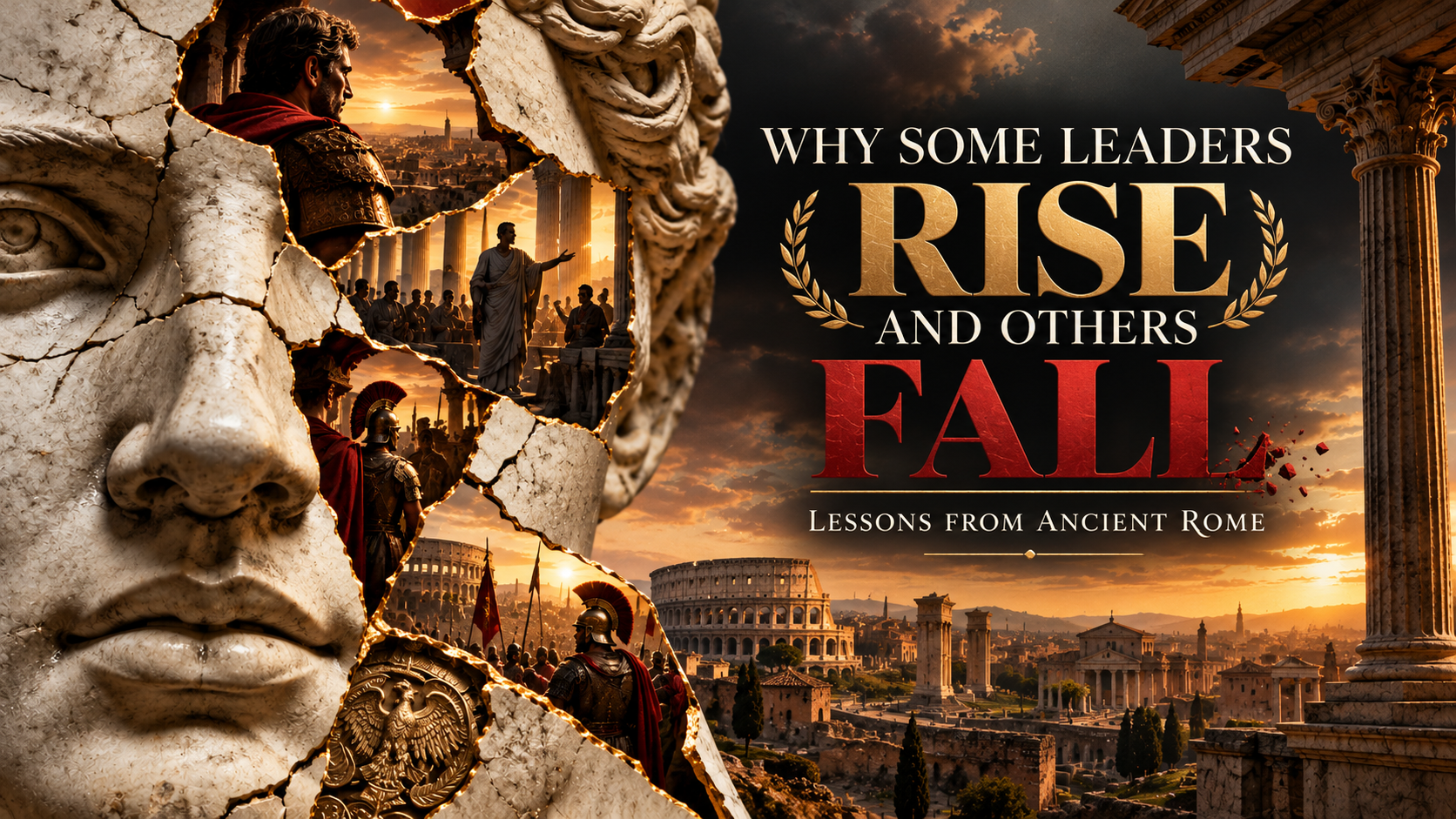
Ancient Rome author and historian L.J. Trafford joins Zoë Routh to explore how personality, power, and political influence shaped leadership during one of Rome’s most turbulent periods, the Year of the Four Emperors.
Following Nero’s death, four men rose to power in quick succession. Each brought different leadership qualities, ambitions, and approaches to governing. Some inspired extraordinary loyalty, while others struggled to maintain authority despite their experience and position.
What makes one leader successful while another fails? Is it personality, political skill, access to resources, or the people working behind the scenes?
Drawing from her Four Emperors historical fiction series and extensive research into Roman history, L.J. explores the rise and fall of Galba, Otho, Vitellius, and Vespasian. Together, Zoë and L.J. examine the influence of military power, the hidden figures who shaped imperial decisions, and the leadership lessons that remain relevant to modern organisations.
The conversation challenges the idea that leadership success depends on personality alone, revealing how individual character, political relationships, and systems of power shape outcomes.
Summary
Ancient Rome teaches much about the extremes of power and leadership:
Personality and Leadership Success - Why individual character, charisma, and leadership style can influence political survival and organisational stability.
The Year of the Four Emperors - How Galba, Otho, Vitellius, and Vespasian approached power differently following Nero’s death.
Charisma and Loyalty - How Otho inspired extraordinary loyalty among his supporters despite overwhelming military opposition.
Political Intelligence and Stability - Why Vespasian succeeded in restoring order through strategic relationships, public image, and an understanding of competing interests.
The Military and Political Power - How the Praetorian Guard and Roman legions influenced who became emperor and how long they remained in power.
Hidden Hands of Influence - The powerful role of imperial freedmen who controlled access, information, and decisions behind the scenes.
Ancient Rome and Modern Leadership - What political instability, competing interests, and leadership transitions reveal about power in contemporary organisations.
Thought-Provoking Questions for Leaders, focusing on:
How much does my personality influence my effectiveness as a leader?
Am I relying too heavily on personal authority rather than building sustainable systems?
Who holds influence behind the scenes in my organisation?
How do I build loyalty without depending entirely on charisma or position?
What happens to my leadership effectiveness when circumstances become uncertain?
Am I balancing the expectations of different stakeholders effectively?
How might my leadership decisions be viewed by those who come after me?
L.J. Trafford reflects on:
Galba’s Leadership Failure - Why extensive experience and a commitment to financial discipline were not enough to secure his position as emperor.
Otho’s Unexpected Loyalty - How a leader with a questionable reputation inspired followers to remain loyal even when defeat seemed inevitable.
Vitellius and Military Influence - How powerful army commanders could elevate a leader who may not have wanted the responsibility of ruling.
Vespasian’s Political Strategy - How he restored stability, managed competing interests, and carefully shaped his public image.
Augustus and the Art of Power - Why maintaining the appearance of shared authority helped Augustus establish a lasting political system.
The Influence of Imperial Freedmen - How individuals outside the traditional political elite gained power through relationships and control of access to the emperor.
Roman Society and Cultural Differences - What Roman infrastructure, religious beliefs, sexuality, and morality reveal about the complexities of historical societies.
Leadership Beyond Personality - Why individual character matters, but political structures, military resources, and relationships also determine leadership outcomes.
Key Quotes
“Personality does matter, and it does matter who you've got at the top and who you've got as emperor.” - L.J. Trafford
“The truth that they learn is that the power is with the army. The army can make emperors.” - L.J. Trafford
“They control access to the emperor, which is probably their biggest power.” - L.J. Trafford
“As a systems thinker and systems leader, things are way too complex just to rely on a single human to make a difference, and yet personality can have an impact.” - Zoë Routh
Questions Explored
How much does personality influence leadership success?
Why did Galba fail despite his extensive leadership experience?
What made Otho capable of inspiring such strong loyalty?
How did Vespasian restore stability after a period of political chaos?
What can Augustus teach modern leaders about influence and political strategy?
Who were the hidden power players behind Roman emperors?
How do military strength, wealth, and relationships shape leadership outcomes?
What can modern leaders learn from the rise and fall of Rome’s emperors?
Take Action
Understand Your Leadership Impact - Reflect on how your personality, behaviour, and decisions influence trust and loyalty.
Look Beyond Individual Leaders - Examine the systems, resources, and relationships that support or undermine leadership effectiveness.
Recognise Hidden Power - Identify who controls access, information, and influence within your organisation.
Build Broad Support - Consider how you can balance the needs of different stakeholders rather than relying on one source of authority.
Strengthen Political Awareness - Understand the formal and informal power structures shaping decisions around you.
Learn from Leadership Failures - Study why leaders lose influence and what could have been done differently.
Go Deeper:
Explore Zoë’s books: https://zoerouthauthor.com
Enter the Power Games giveaway here
Learn more about Power Games: https://zoerouthauthor.com/products/power-games-paperback
Key Moments
00:00 Introduction and Leadership Personality Question
00:31 Meet L.J. Trafford
01:06 Planet Zoë Updates and Power Games Giveaway
03:39 Tea Talk Guest Introduction
04:56 Ancient Rome Banquet Excerpt
07:38 Interview Begins
08:06 Why Ancient Rome?
10:09 The Year of the Four Emperors
10:51 Galba’s Rapid Fall from Power
15:33 Otho’s Charm, Loyalty and Sacrifice
18:25 Vitellius and the Power of the Army
21:25 Vespasian Restores Order
23:51 How Roman Emperors Used Power
26:13 Was Augustus a Good Leader?
28:24 Augustus and the Art of Holding Power
29:30 The Praetorian Guard and Military Influence
30:58 Imperial Freedmen and Hidden Power
32:45 The Downfall of Messalina
34:10 The Assassination Plot Against Domitian
35:37 Ancient Rome and Modern Political Parallels
37:34 What Roman Life Reveals About Society
40:23 Roman Sexuality and Moral Expectations
42:31 Leadership Lessons from Vespasian
43:35 Fast Three: Surprising Roman History
46:57 L.J. Trafford’s Books and Rome’s Worst Emperors
49:30 Zoë’s Leadership Takeaways and Wrap Up
Related episodes on Power and Leadership
419: The Great Man, Hidden Hands and Buried Code - What Ancient Rome Teaches Us About Power
389 Navigating Power: Balancing Influence and Integrity with Sylvia Rohde-Liebenau
About L.J. Trafford
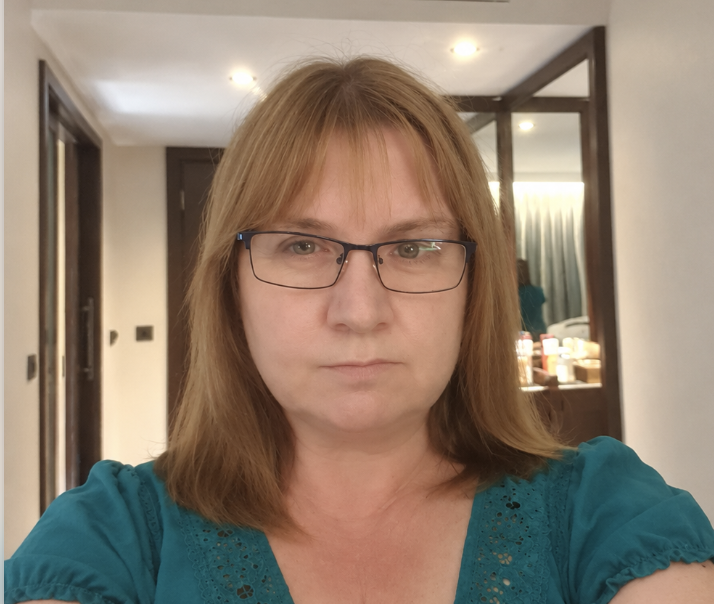
L.J. Trafford studied Ancient History at the University of Reading. In 2000 she began writing ‘The Four Emperors’ series.
The series comprises four books – Palatine, Galba’s Men, Otho’s Regret and Vitellius’ Feast – which cover the dramatic fall of Nero and the chaotic year of the four emperors that followed.
Palatine received an Editor's Choice mark from The Historical Novel Society in 2015.
She has subsequently written four non-fiction books How to Survive in Ancient Rome, an introduction for the would-be time traveller to Rome in the year 95 CE, Sex and Sexuality in Ancient Rome, Ancient Rome's Worst Emperors and Sex and Sexuality in Ancient Greece
A member of The History Girls blog site she has contributed articles on such diverse subjects as Nero's favourite eunuch, how to avoid getting assassinated should you happen to become a Roman emperor and why Pliny the elder thinks sponges will destroy the world.
Check out her books here.

About Zoë Routh
Zoë Routh is a leadership futurist, podcaster, and multiple award-winning author. She works with leaders and teams to navigate future horizons.
She has worked with individuals and teams internationally and in Australia since 1987. From wild Canadian rivers to the Australian Outback, and the Boardroom jungles, Zoë is an adventurist! She facilitates strategy and culture sessions with audacious teams.
Zoë's fourth leadership book, People Stuff - Beyond Personality Problems: An advanced handbook for leadership, won the Book of the Year at the Australian Business Book Awards in 2020. Her fifth book is a near future science fiction dystopian novel, The Olympus Project.
Zoë is the producer of the The Future of Leadership Podcast dedicated to asking “What if…?” and sharing Big Ideas on the Future of Leadership.
Zoë is an outdoor adventurist and enjoys telemark skiing, has run six marathons, is a one-time belly-dancer, has survived cancer, and loves hiking in the high country. She is married to a gorgeous Aussie and is a self-confessed dark chocolate addict.